








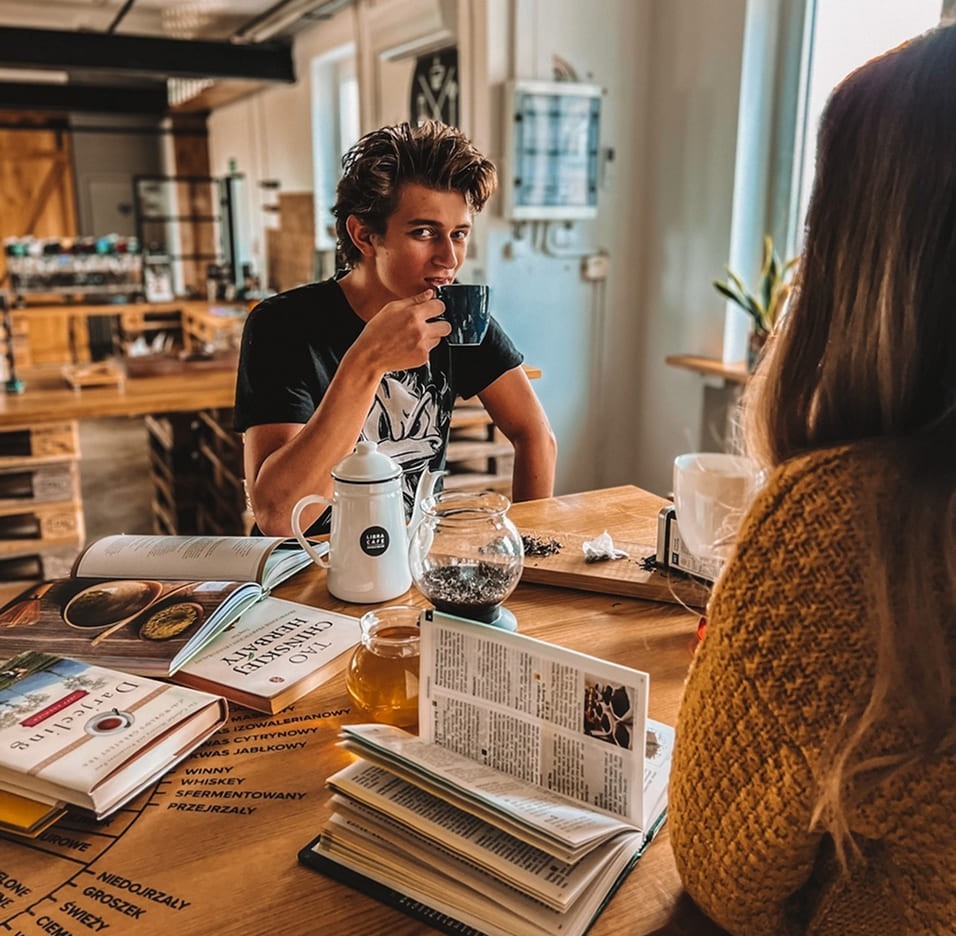
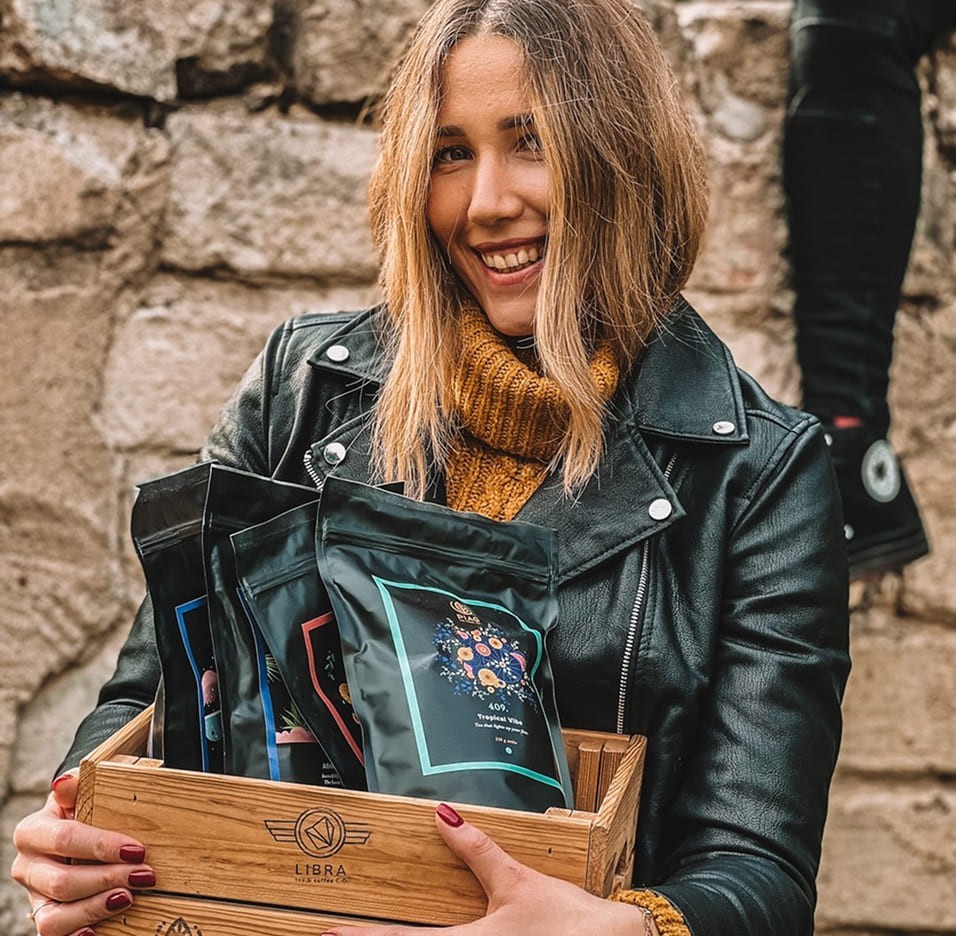

Sometimes it seems to us that the world falls silent for a moment, stops shouting at us, no longer screams or leaps before our eyes. We notice this not because silence descends, but because, for the first time, we truly begin to listen. We call this mindfulness. Thanks to it, we notice things that have been right beside us all along, yet we had never seen them before. We also notice the most important thing among all those previously unseen, brought to us by this mindfulness clothed in silence: that everything surrounding us is born from the dialogue of opposites.
Light needs shadow in order to be fully perceived. Silence gives meaning to music. The depth of the ocean could not exist without the surface reflecting the sky. Even breathing is a constant meeting of two movements—inhalation and exhalation. One has no meaning without the other. One cannot exist without the other. And it does not matter which there is more of, which there is less of, which is more important, which is less important, or which delights us more and which repels us. Contrary to appearances, all of it coexists within one great universe of harmony.
In the Far East, it was said that harmony does not consist in one force defeating the other. True balance is born only when seemingly opposing energies learn to exist beside one another. After all, day does not fight against night; the sun is reborn because the moon gives way to it. In nature, everything appears precisely when its time comes. And yet we, as human beings, constantly try to choose "between." Good or evil, reason or heart, courage or safety, freedom or chains... As though life were a collection of simple decisions in which one answer always excludes the other.
Meanwhile, the greatest mystery of our nature is that we are created from both of these worlds at the same time. We carry within us the light that leads us toward other people, but we also carry within us the darkness that gives life its edge. We long for peace, yet without dreams we would soon begin to miss adventure and wildness. We want to be independent, while at the same time we seek places, people, and memories that will become our home. Every human being is a story written in two inks—light and dark. We are not made of a single colour.
We are like jasmine.
Its blossoms are almost flawlessly white, delicate, and fragile. Looking at them, it is difficult to believe that they conceal one of the most sensual fragrances in the world. And yet their secret reveals itself only after sunset. When day gives way to night, jasmine awakens and begins to release its most beautiful fragrance into the air. It was not without reason that it was called the flower of the moon. This beautiful expression does not speak only of the time of harvest. It is a metaphor for everything we so often refuse to notice—that the deepest beauty is not always born in full light. Sometimes it needs twilight. It needs silence. It needs the moment when the world stops demanding our attention.
Is it not the same with human beings? We ask ourselves the most important questions late in the evening. Our bravest decisions mature in solitude. The deepest conversations take place when the cup of tea has already cooled slightly and time ceases to matter. Perhaps that is why people have so willingly gathered around tea for centuries.
Tea has never demanded haste. It teaches patience, making us wait until the leaves surrender to the water everything they have carried within themselves throughout the season. It reminds us that everything of value requires time. We cannot hasten the dawn, we cannot command flowers to bloom sooner, we cannot force a tree to bear fruit before its appointed time, nor can we rush through life without losing along the way what is most precious within it...
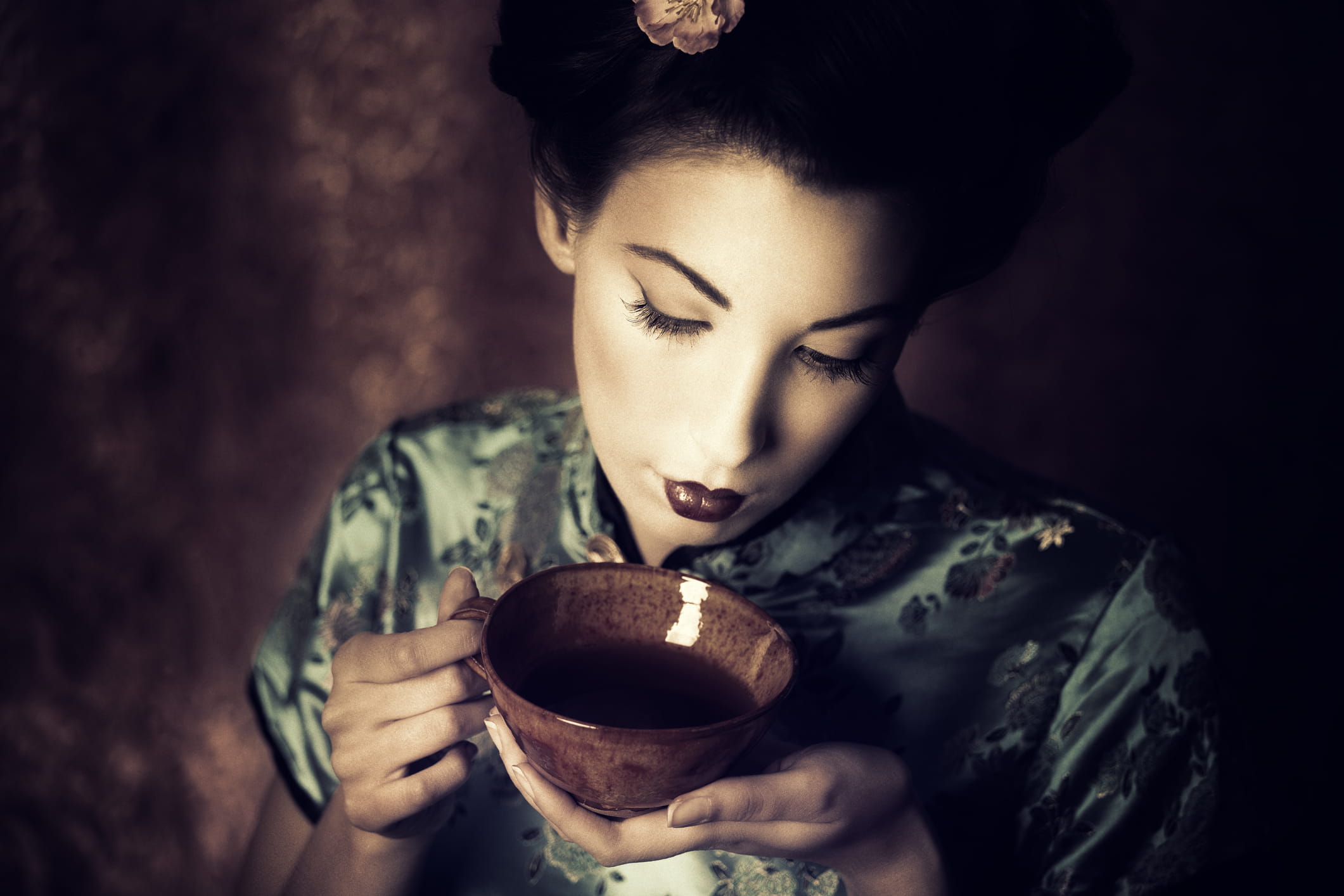
Why do we write about all of this? Why have we clothed our tea in these philosophical reflections? Because Black Magic Jasmine—black tea wrapped in the whiteness of jasmine—contains within itself that dualism which has fascinated mankind for centuries. We hope that when you look at the image in the background, you will also perceive this magic. The delicacy of the model and her mystery wrapped in black. Looking at her, one can freely let the imagination wander and complete for oneself what this mystery conceals. How much darkness can be seen within her fragility? Or perhaps the other way around—how much subtlety is there within those dark colours?
Why has black always inspired both fear and admiration? It has been the colour of the unknown, but also of wisdom. A symbol of the end and, at the same time, the beginning of everything that was yet to come. A seed germinates in dark soil; new life is born in the darkness of the womb; night is not the opposite of day—it is its promise. Perhaps this is what magic truly is. Not phenomena we cannot explain, nor questions to which there are no clear answers, but the very fact that we choose to reflect upon them. The old world has long known the answers that we are only beginning to learn. And let it remain so. Let us trust in this balance of the world, which we sometimes doubt.
We very much want to believe in it. That is why we created Black Magic Jasmine, a story about the magic of balance. About white jasmine blossoms that found their place in the depth of black tea. About light that is not afraid of shadow. About delicacy that does not have to surrender its strength. About the fact that true harmony is not born from choosing one side, but from the beautiful dialogue between both.
Perhaps the greatest illusion of us, as human beings, is the belief that everything in life can be divided into black and white. In reality, everything is woven from transitions, interpenetration, and yielding... And every cup of tea can become a quiet reminder that we do not have to choose between light and shadow. It is precisely between them that everything truly beautiful takes place