


Over the years, this custom permeated various traditions and customs, taking on new forms, but without losing its basic meaning: being a moment of stopping, experiencing together and sharing the word. And what do these toasts look like in cultures around the world?
Toasts have accompanied people for thousands of years as one of the most symbolic gestures of community, memory, and hope. Although at first glance they may seem to be merely a polite custom, in reality they carry deep cultural and social significance. They were present at ancient feasts, royal banquets, family gatherings, and everyday moments of celebration. They served as a form of paying tribute, expressing gratitude, and building bonds between people. Raising a cup and speaking a few words could unite a community, strengthen a sense of belonging, and give special importance to significant moments in life.
Throughout human history, toasts have served not only as a social ritual but also as a symbolic act of almost ceremonial importance. In ancient Greece and Rome, they were raised in honour of the gods; in the Middle Ages, they expressed loyalty to the ruler; and in later times, they became a way of expressing feelings, respect, and remembrance of loved ones. In many cultures, they were even believed to have a protective function – drinking together was meant to build trust and confirm good intentions.
Over the years, this custom permeated various traditions and customs, taking on new forms without losing its fundamental meaning: being a moment of pause, shared experience, and shared words. And what do these toasts look like in cultures around the world?
In Georgia, a toast has a very solemn character. It is led by the tamada (master of ceremonies), who delivers long, poetic speeches. In China, when clinking glasses, one must absolutely not raise their glass higher than the oldest person or the person of highest rank, as this symbolises respect. In France, when clinking glasses, one should look the other person in the eyes. Looking at the glass instead of making eye contact is considered a faux pas. Hungarians do not clink glasses at all; they simply raise their glass and look each other in the eyes. In Israel, toasts are mainly made on solemn occasions; they are thoughtful and treated like small literary works, so they are not overused. The Spanish ¡Salud! should be said only when drinking alcohol. There is a superstition that saying it while holding a glass of water brings bad luck.
Regardless of whether we raise a toast with a mug, a goblet, a glass, or a teacup, and whether we say the Polish “Na zdrowie!”, Spanish “¡Salud!”, French “Santé!”, German “Prost!”, Irish “Sláinte!”, Finnish “Kippis!”, Japanese “Kanpai!”, Italian “Cin cin!”, or Greek “Yassas!” – the most important thing in a toast is the intention.
The aroma of grapes. The character of champagne. The calmness of tea.
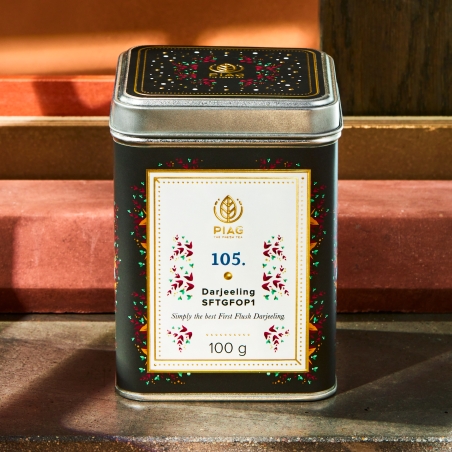
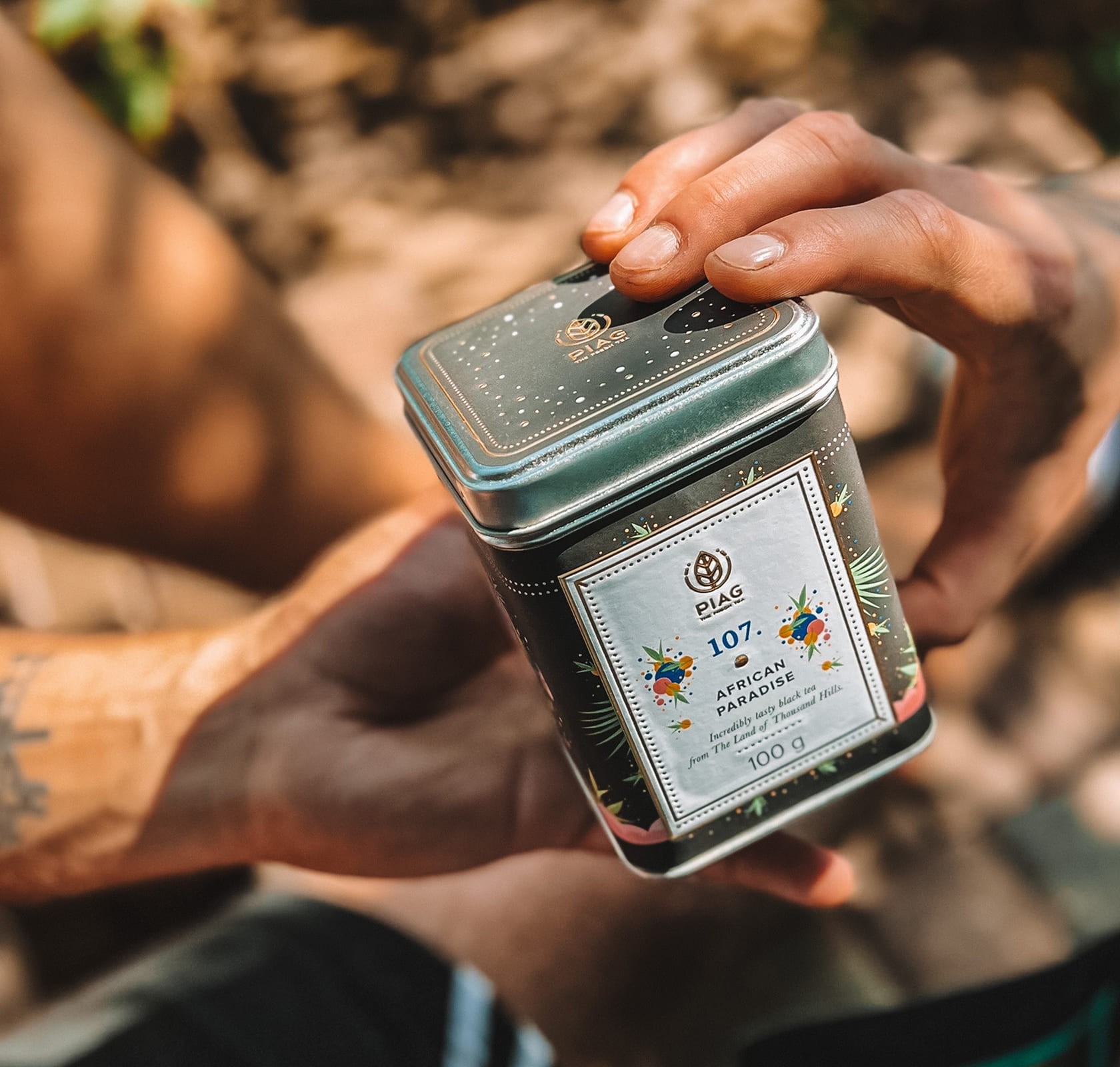
Our tea – Muscat Darjeeling – is both tea and champagne in one. And we solemnly swear that our intentions when creating it were the purest possible.
Indian Darjeeling tea is a variety of black tea originating from the region of the same name. It is often called the “tea of mists” because of the unique microclimate found at the foothills of the Himalayas. Frequent mists and moderate sunlight contribute to the uniqueness of these teas. It is a flavour unlike any other. Theoretically, we could have placed only Darjeeling leaves in the tin and it would already have been exclusive. But we would not be ourselves if we had not created something that no one had thought of before.
To give it a spark of celebration – a champagne-like flavour – we added Muscat grape flavouring, which is also associated with abundant harvests and exceptional sweetness.
Thus, a blend was created that tastes like celebration.
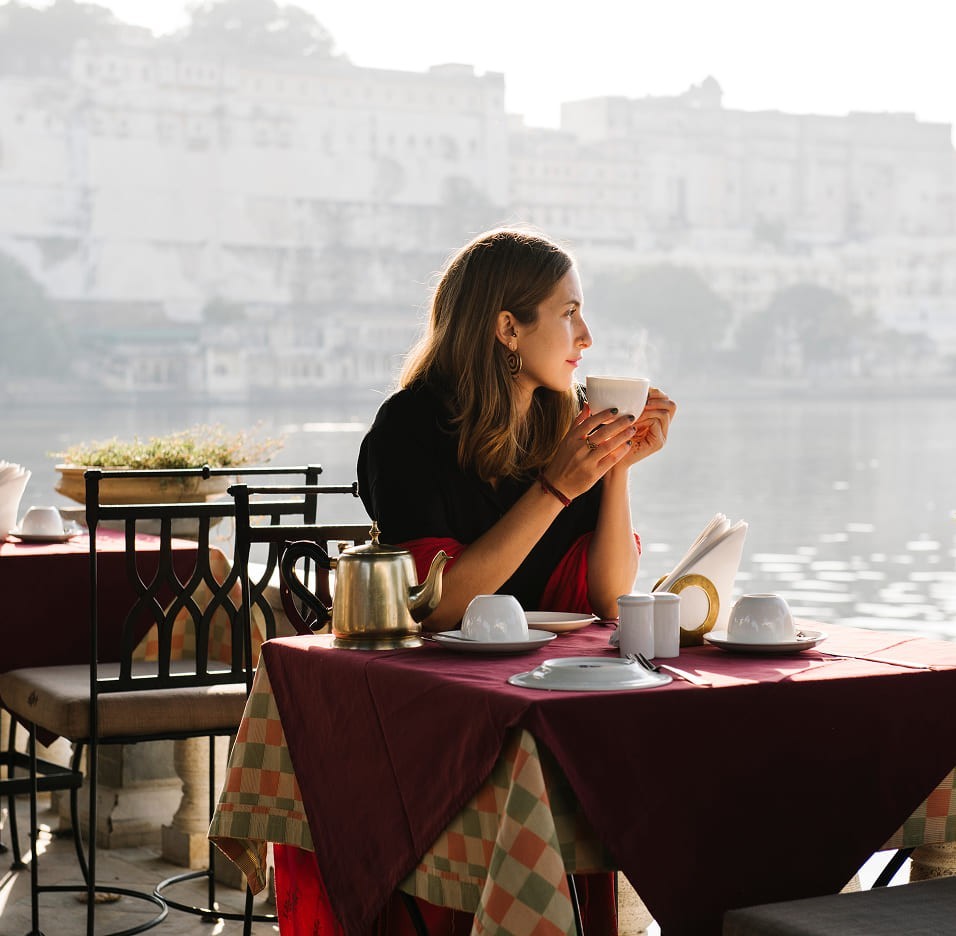
Darjeeling Muscat is champagne brewed in a teacup.
Darjeeling Muscat is a tea with which a toast is raised to everyday life.
Darjeeling Muscat is our idea of celebrating life, because every day is a great holiday.
We are here and now. Yesterday is gone, tomorrow may never come, so this moment, this very instant, is the most important one.
Let us raise our mugs, teacups, and glasses filled with the aroma of Darjeeling Muscat!
To life!