





There are words that suddenly appear and seem to belong exclusively to their own time. Such was the case with the English word chill. Just a dozen or so years ago, we hardly ever used it. Today, it has become part of our everyday vocabulary. We need to chill. We dream of a chill weekend. We look for places that allow us to chill out. But do we really understand the true meaning of this overused slogan? Because—ironically—we have probably never spoken about rest so often, and yet we have probably never rested so poorly.
We have learned to turn relaxation into yet another task to be completed. We buy books about simple living, install meditation apps, our watches remind us that we should breathe, walk, drink water... Everything, absolutely everything, has to be under our control.
Byung-Chul Han, one of the most thought-provoking contemporary philosophers, observed that the twenty-first-century human being is no longer exhausted because someone forces them to do something. They are exhausted because they themselves are unable to stop. They constantly want to be better, more productive, more present, more mindful. Even rest becomes a project of self-improvement. We no longer know what it means to do nothing.
And yet it is precisely this emptiness, this silence, this doing nothing—call it whatever you wish—that has fascinated the people of the East for centuries.
In Japanese culture, there is the concept of ma. It is most simply translated as space or pause, but that captures only part of its meaning. Ma is the silence between sounds, the breath between sentences, the light entering an almost empty room through a window. It is not the absence of something. Quite the opposite. It is something—the place, the space, that gives everything else its meaning.
Let us imagine music without pauses. It would be nothing but noise. The rest, you may discover for yourselves...
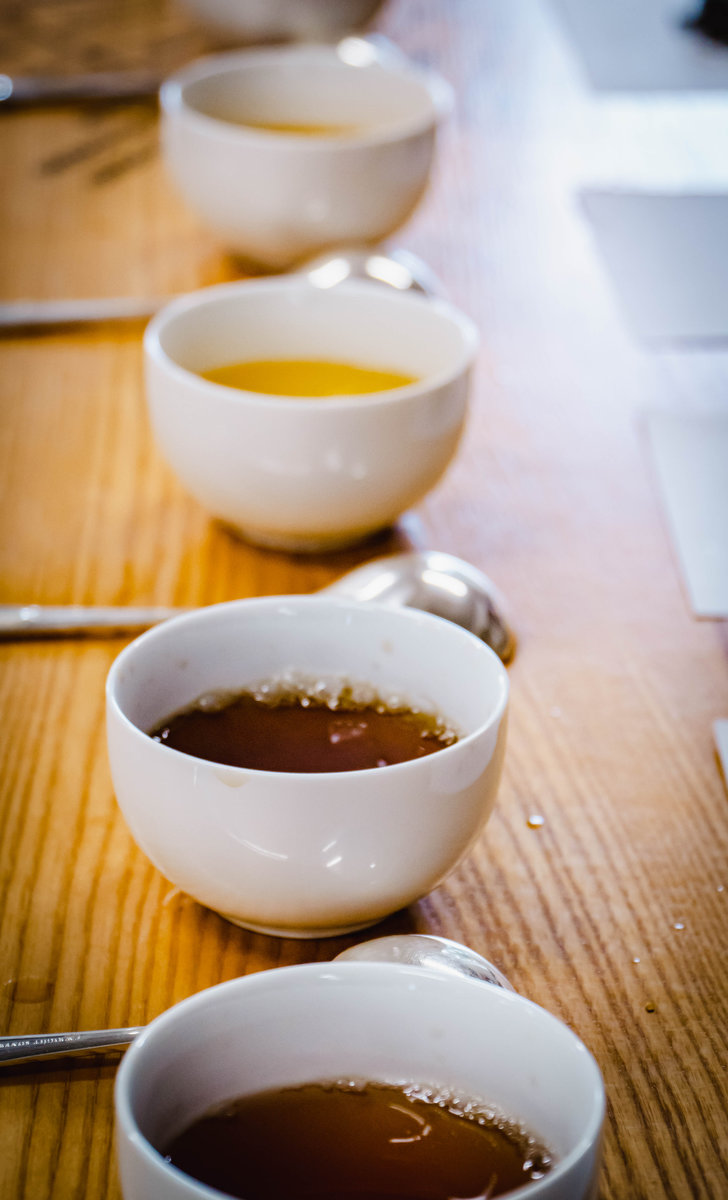
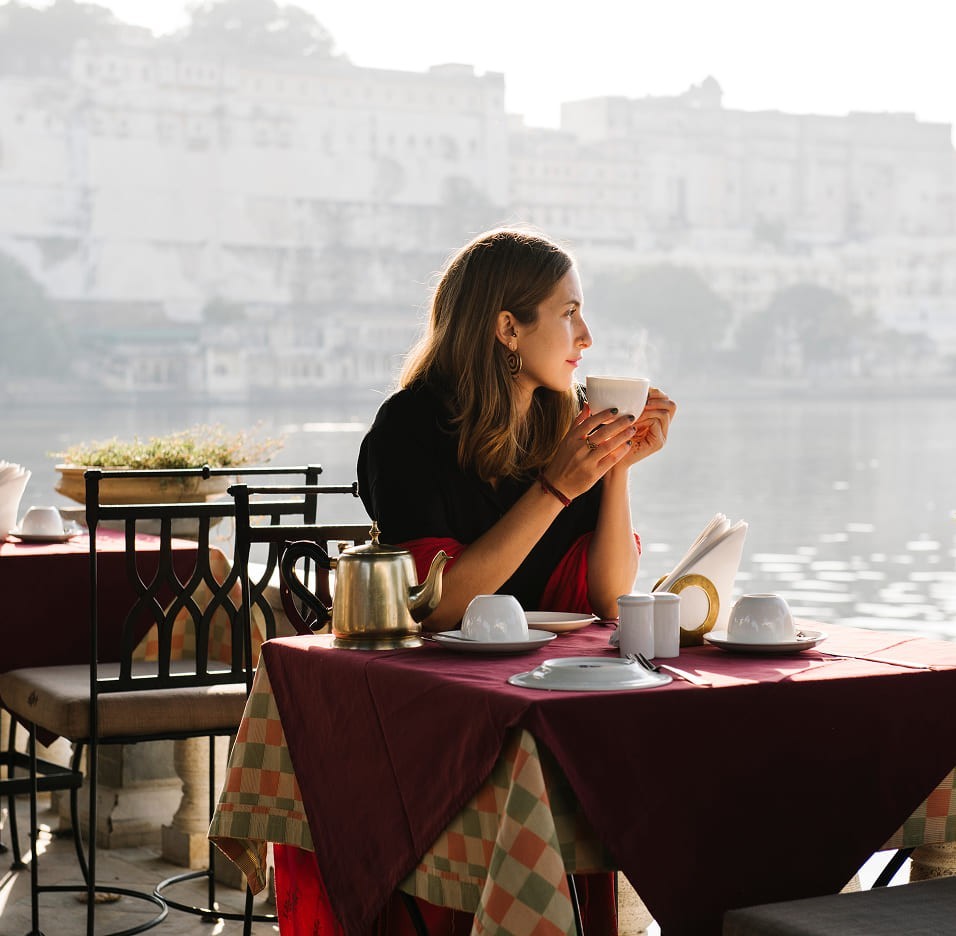
When Kakuzō Okakura wrote The Book of Tea, he did not intend to create a manual for brewing tea. He was writing about the aesthetics of everyday life. About the conviction that the deepest experiences do not require grandeur. After all, the tea ceremony is surprisingly modest. A few simple gestures: warm water, tea leaves, silence, and a person who, for a few minutes, stops fighting against time. That is where its extraordinary nature lies. Tea does not make anything happen faster, it does not solve problems, and it does not make the world easier. It simply reminds us that the world does not always have to rush along with us—or, perhaps, that we do not always have to rush along with it. Tea is an invitation to allow something far more precious to happen—a moment of mindfulness.
Neurobiologists will tell us that when we consciously direct our attention towards one simple activity, we calm the racing of our thoughts. Psychologists call it mindfulness, while Zen monks would merely smile gently upon hearing all these scientific definitions.
Because their answer has always been very simple. If you are brewing tea, brew tea. If you are drinking tea, drink tea. Do not think about tomorrow's plans, do not compose replies in your mind to messages you have not yet answered, do not occupy your thoughts with the meeting that will take place three hours from now. Simply drink tea. Be here and now.
Today, our attention has become the most valuable commodity in the world. Screens, advertisements, social media, and notifications all compete for it. Each of them wants to steal at least a few seconds of our presence. Perhaps that is precisely why consciously focusing on this one symbolic cup of tea has become something greater than a simple pleasure. It is a quiet act of resistance against all the madness in which we have become lost.
Czesław Miłosz once wrote a poem…
A Happy Day…
The fog lifted early, I worked in the garden.
Hummingbirds paused over the honeysuckle flowers.
There was nothing on earth that I wanted to possess.
I knew no one worth envying.
Whatever bad had happened, I had forgotten.
I was not ashamed to think that I was who I was.
I felt no pain in my body.
Straightening up, I saw the blue sea and sails.
Perhaps happiness is exactly like this. Not spectacular, not loud. Perhaps it is simple everyday life, a small thing that happened. Perhaps it resembles the steam rising above a cup of tea. It lasts only for a moment, it cannot be held, and that is why it is worth every moment of wonder and reflection.
We will not surprise you if, in the end, we write that this is exactly what we need. Not another way to achieve happiness, not another app for managing our time, not a perfectly planned life, but the courage to sit down with a cup of tea from time to time and not hurry anything. The courage to be a lazy bear who is the best in the world at "chilling."
Because life, however long, will always be too short... No matter how fast or how long we run and race against time, we will not outwit destiny, nor will disappointment pass us by. So let us not chase, let us not look for something better, let us not search for something that may already be right beside us. Let us look around, allow ourselves mindfulness and sweet idleness, and then we will notice that the most beautiful moments often look completely ordinary.